
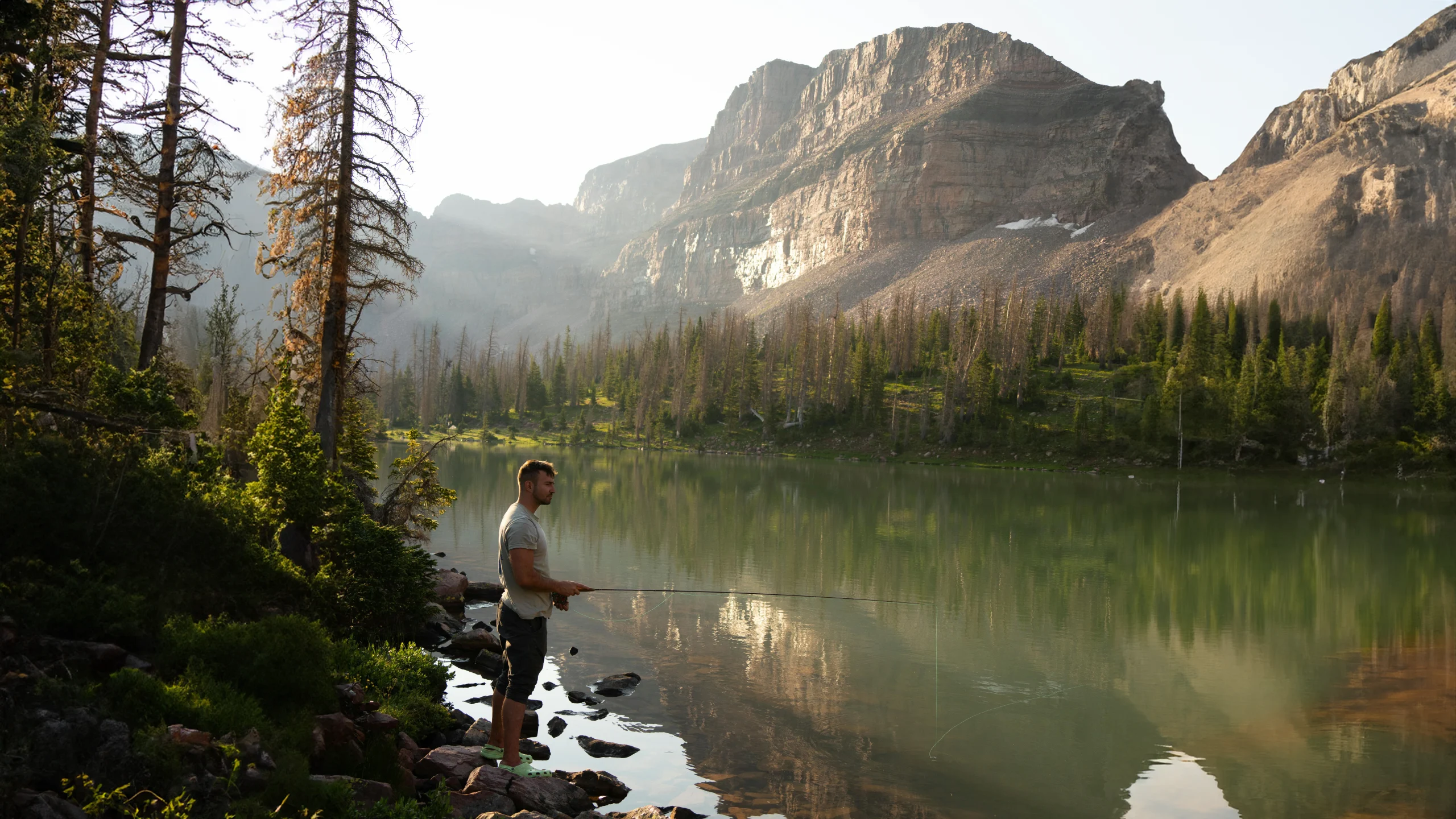
Fly fishing is a rewarding and serene outdoor activity that combines skill, patience, and an appreciation for nature. Whether you’re a complete novice or have some fishing experience, this guide will help you get started with fly fishing. At UOutdoors, we offer a variety of fly fishing experiences and guided trips to help you embark on this exciting journey.
Understanding Fly Fishing Basics
What is Fly Fishing?
Fly fishing is a method of fishing where an artificial fly is used to catch fish. Unlike traditional fishing, where the weight of the lure or bait propels the line, fly fishing relies on the weight of the line to cast the lightweight fly. This technique requires a specific set of skills and equipment to master.
Types of Flies
There are three main types of flies used in fly fishing: dry flies, wet flies, and streamers. Dry flies float on the water’s surface, mimicking insects that fish feed on. Wet flies sink below the surface, resembling submerged insects or larvae. Streamers imitate small fish or other aquatic creatures and are typically fished below the surface.
Basic Casting Techniques
Casting is a fundamental skill in fly fishing. The most common cast is the overhead cast, where you move the rod back and forth to propel the fly line forward. Another important technique is the roll cast, used in situations where there is limited space behind you. Practicing these casts is essential for improving accuracy and distance.

Essential Gear for Fly Fishing
Fly Rods and Reels
Choosing the right fly rod and reel is crucial for a successful fly fishing experience. Fly rods come in various lengths and weights, each suited for different types of fishing. Beginners typically start with a 9-foot, 5-weight rod, which is versatile for most freshwater fishing. The reel should match the weight of the rod and have a smooth drag system.
Fly Lines and Leaders
Fly lines are classified by weight and taper. Weight-forward lines are popular among beginners because they are easier to cast. Leaders, the clear monofilament line attached to the end of the fly line, help present the fly naturally to the fish. Tippets, the final section of the leader, are fine and nearly invisible lines that connect the fly to the leader.
Additional Gear
Other essential gear includes fly boxes, waders, and wading boots. Fly boxes keep your flies organized and protected. Waders allow you to stand in the water comfortably, while wading boots provide traction on slippery riverbeds. A good fishing vest or pack can also help you carry and organize your gear efficiently.
Learning the Casting Techniques
The Overhead Cast
The overhead cast is the most basic and essential casting technique. To perform this cast, start with the rod tip low and a short amount of line extended. Bring the rod back in a smooth motion, then accelerate forward, stopping abruptly to let the line extend and the fly land gently on the water.
The Roll Cast
The roll cast is useful when there is no room for a backcast. To execute this cast, let the line lie on the water, then lift the rod and sweep it forward, using the water’s resistance to load the rod. This cast allows you to present the fly without needing space behind you.
Improving Accuracy and Distance
Practicing casting techniques will improve your accuracy and distance. Focus on smooth, controlled movements and proper timing. Joining a fly fishing club or taking lessons from experienced anglers can provide valuable feedback and help you refine your skills.
Best Locations for Beginner Fly Fishers
Local Streams and Rivers
Starting at local streams and rivers can help beginners learn the basics of fly fishing without traveling far. These waters often have populations of trout, bass, or panfish, which are ideal for practicing your skills. Look for public access points and areas with shallow, slow-moving water.
Fly Fishing Destinations
For those looking to travel, popular fly fishing destinations include Montana’s Madison River, Colorado’s South Platte River, and Pennsylvania’s Spring Creek. These locations offer beautiful scenery and abundant fish, making them perfect for both beginners and experienced anglers. UOutdoors provides information on top fly fishing destinations and guided trips to enhance your experience.
Guided Trips and Lessons
Booking a guided trip or lesson can accelerate your learning curve. Professional guides can teach you casting techniques, fly selection, and reading water. They also provide valuable local knowledge and increase your chances of a successful fishing trip. At UOutdoors, we offer guided fly fishing experiences tailored to beginners.
Tips for a Successful Fly Fishing Trip
Preparation and Planning
Proper preparation is key to a successful fly fishing trip. Research the area you plan to fish, check weather conditions, and make sure you have the appropriate gear. Packing a first aid kit, snacks, and plenty of water is also essential.
Fly Selection
Selecting the right fly is crucial for attracting fish. Observe the local insect life and match your flies accordingly. Carry a variety of flies, including dry flies, wet flies, and streamers, to adapt to changing conditions.
Patience and Persistence
Fly fishing requires patience and persistence. Fish can be unpredictable, and success often comes after repeated attempts. Stay calm, observe your surroundings, and enjoy the process. Remember, each trip is an opportunity to learn and improve your skills.
Conclusion: Starting Your Fly Fishing Journey
Fly fishing is a rewarding and fulfilling outdoor activity that offers endless opportunities for learning and adventure. By understanding the basics, investing in the right gear, and practicing your casting techniques, you can set yourself up for success. Whether you’re exploring local streams or traveling to renowned fly fishing destinations, UOutdoors provides the resources and guided trips to help you on your journey. Embrace the serenity of fly fishing and start your adventure today!