
Fishing is a diverse and rewarding sport that varies greatly depending on the type of fish you’re targeting. Each species requires specific tactics and techniques to increase your chances of a successful catch. At UOutdoors, we provide expert-guided fishing trips and resources to help you master the art of fishing for different types of fish. This guide explores effective fishing tactics for various popular fish species.
Bass Fishing Techniques
Understanding Bass Behavior
Bass are known for their aggressive behavior and preference for specific habitats. They are often found near structures such as submerged logs, rocks, and vegetation. Understanding their feeding patterns and seasonal movements can significantly improve your chances of catching them.
Best Baits and Lures
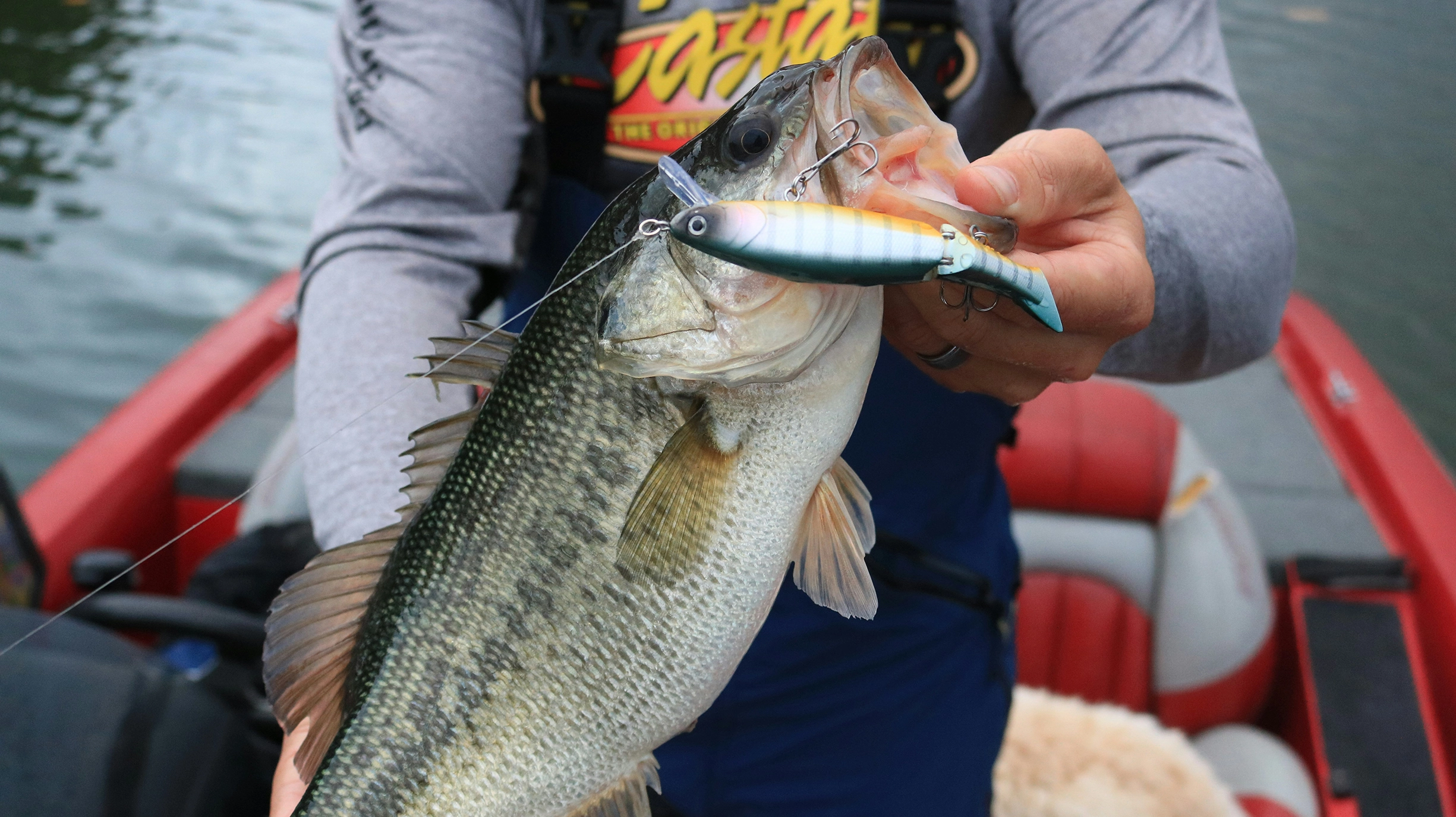
Topwater lures, plastic worms, and crankbaits are popular choices for bass fishing. Each type of bait has its own unique action that attracts bass. Experimenting with different lures can help you determine what works best in different conditions.
Fishing Techniques
Techniques such as casting near cover, retrieving lures with varying speeds, and using a jigging motion can entice bass to strike. Early morning and late evening are often the best times to fish for bass, as they are more active during these periods.

Trout Fishing Strategies
Understanding Trout Behavior
Trout are typically found in cold, clear streams and lakes. They are sensitive to changes in water temperature and quality, often seeking out cooler, oxygen-rich waters. Knowing where to find them is key to a successful fishing trip.
Best Baits and Lures
Live baits like worms and insects, as well as artificial flies, spinners, and spoons, are effective for trout fishing. Matching the hatch, or using flies that mimic the local insect population, can be particularly effective for catching trout.
Fishing Techniques
Techniques such as fly fishing, drifting, and trolling can be used to catch trout. Fly fishing is especially popular for trout, requiring skill and precision to present the fly naturally. Drifting bait with the current can also be effective in streams and rivers.
Salmon Fishing Methods
Understanding Salmon Behavior
Salmon are migratory fish, traveling from the ocean to freshwater rivers to spawn. Timing your fishing trip to coincide with their migration can greatly increase your chances of success. Understanding their migratory patterns is crucial for planning your trip.
Best Baits and Lures
Salmon respond well to a variety of baits and lures, including herring, spoons, and spinners. Brightly colored lures and baitfish imitations are often used to attract salmon. Using scents and attractants can also increase your chances of catching them.
Fishing Techniques
Trolling, drift fishing, and casting are common techniques for salmon fishing. Trolling with downriggers allows you to cover large areas and present your bait at different depths. Drift fishing with bait or lures can be effective in rivers during the salmon run.
Catfish Catching Tips
Understanding Catfish Behavior
Catfish are bottom-dwelling fish that are often found in muddy waters and deep holes. They are known for their strong sense of smell and taste, using their barbels to locate food. Fishing for catfish typically involves fishing near the bottom of the water column.
Best Baits and Lures
Live baits such as worms, minnows, and cut bait are highly effective for catfish. Stink baits and dough baits are also popular choices due to their strong odor, which attracts catfish. Using a slip sinker rig can help present the bait near the bottom where catfish are feeding.
Fishing Techniques
Bottom fishing, drift fishing, and jug fishing are common methods for catching catfish. Bottom fishing with a sturdy rod and reel allows you to detect bites and set the hook effectively. Drift fishing with multiple rods can help cover more area and increase your chances of finding active catfish.
Saltwater vs. Freshwater Fishing
Key Differences
Saltwater and freshwater fishing require different techniques, equipment, and knowledge. Saltwater fishing often involves larger, more powerful fish and harsher conditions, requiring heavier gear and stronger lines. Freshwater fishing can be more varied, with a wide range of species and habitats to explore.
Equipment and Gear
Saltwater fishing gear typically includes heavier rods, reels, and lines to handle the larger fish and corrosive saltwater environment. Freshwater fishing gear can range from ultralight setups for small fish to heavier gear for species like pike and musky. Using the right gear for the environment and target species is essential.
Techniques and Strategies
Saltwater fishing techniques include trolling, bottom fishing, and casting from shore or a boat. Freshwater techniques can include fly fishing, casting, trolling, and ice fishing. Understanding the specific needs of your target species and environment will help you choose the most effective tactics.
Conclusion: Mastering Various Fishing Tactics
Fishing is a dynamic and diverse sport that offers endless opportunities for learning and adventure. By understanding the behavior of different fish species and employing the right tactics, you can increase your chances of success. At UOutdoors, we provide expert-guided fishing trips and resources to help you master these techniques and enjoy a rewarding fishing experience. Whether you’re fishing in freshwater or saltwater, for bass or salmon, these tactics will help you catch more fish and make the most of your time on the water. Happy fishing!